
Online across California · In person in North Lake TahoeEMDR and trauma therapy for adults & kids in California
Nurture your nature ·
Nurture your nature ·
When something bad happens and you can't quite find a way out of it. I often compare EMDR to how the body heals a scrape or wound — if it isn't cleaned out properly at the time, it can heal wrong and stay painful.
EMDR is like going back into the wound to clear out what got trapped there. We can't change that the wound happened, or erase the scar, but we can help it heal better and hurt less.
Who it's forAdults carrying trauma, attachment wounds, or a nervous system on high alert, often alongside ADHD, OCD, and high sensitivity. It can also show up as stuckness or a looping, unhelpful belief or feeling.
What it isEMDR, or Eye Movement Desensitization and Reprocessing, is a highly effective, evidence-based therapy that uses bilateral stimulation to help process trauma and restore equilibrium to the system.
WhereOnline across California, in person in North Lake Tahoe.
How to startA free 15-minute consultation.
If any of this sounds familiar
Trauma doesn't always look like one big event. Sometimes it's the slow accumulation of repeated experiences: being too much for some people and not enough for others, feeling unworthy, or unsafe. EMDR can help if:
You go numb or shut down when things get to be too much
You've done insight-heavy therapy and understand your patterns, but the reactions haven't changed. You feel stuck and frustrated.
Small things trigger outsized reactions, and you don't know why.
You have trouble falling asleep, staying asleep, have flashbacks, or experience rapid mood swings.
Rest feels unsafe, so you stay busy. It feels hard to slow down or be with yourself in the present.
These aren't flaws in your character. They're protective mechanisms to help you live in a world that feels unsafe.
How it works
We get to the root(s).
EMDR works with how the brain stores distressing experiences and core beliefs. We target the painful memories, core beliefs, and associated experiences and actually desensitize it. You stay in control the whole way through.
We work with the body.
Trauma lives in the body as much as in the story, so we track what happens in your nervous system and build a felt sense of safety first. We move at a pace your body can actually stay with.
We replace negative core beliefs with more helpful ones.
Once we target the pain points and neutralize them, we replace them with more positive, neutral, or helpful beliefs and experiences based on your lived experience.
Some weeks the work is processing. Some weeks it's learning to feel safe enough to stop bracing. We slow things down, meet your wiring where it is, and start wherever you actually are.
Who this is for
This work fits adults who have usually been to therapy before and want something that reaches past insight, whether you're carrying PTSD from a single event or complex trauma that built up over years. It's an especially strong fit if you live at the intersection of ADHD, OCD, and high sensitivity, where a reactive nervous system is part of daily life.
Sessions are online across California, or in person in North Lake Tahoe. If you're not sure whether this or individual therapy is the right starting point, we can sort that out together.
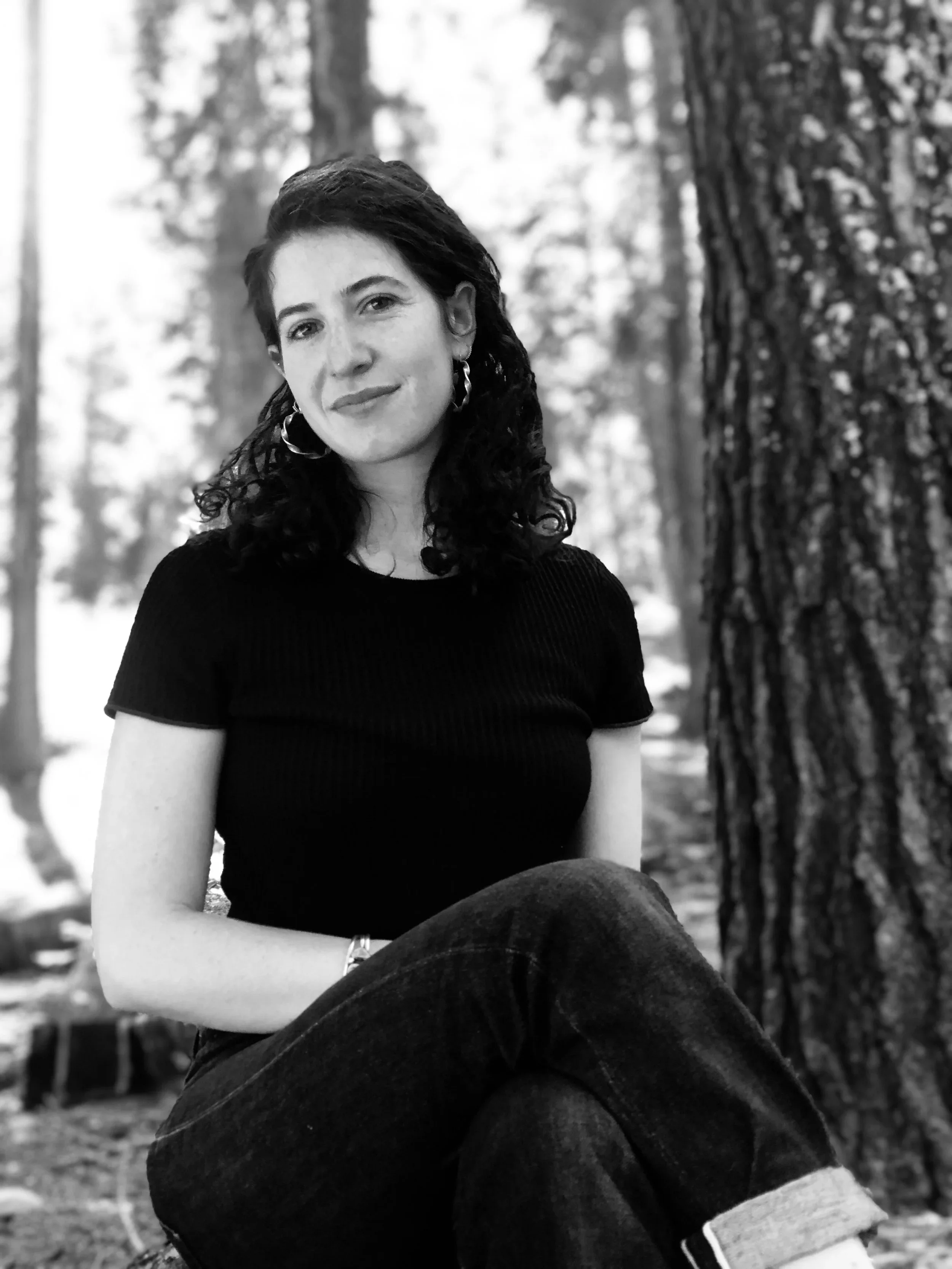
Work with AustinHi, I'm Austin.
I'm a licensed therapist for adults with ADHD, OCD, and high sensitivity, especially where they overlap. I'm EMDR-trained, and I use somatic therapy and ecotherapy alongside it for the moments when understanding the pattern isn't enough to change it. I believe healing happens in connection: with yourself, with others, and with the land.
Austin Sherman, LMFT · CA license #146132 · MA, California Institute of Integral Studies · Bilingual in English and Spanish
Questions about EMDR
-
It depends on what we're working with. A single, recent event can move in a handful of sessions. Complex or developmental trauma that built up over years takes longer, and we go at the pace your nervous system can hold. We'll talk through a realistic timeline early on.
-
I've done therapy before and still feel stuck. Why would this be different? A lot of therapy is good at helping you understand yourself better. That's useful, but understanding doesn't always change how your nervous system reacts day to day. EMDR works directly with how the brain and body store the experience, rather than just talking around it. Many of my clients come to EMDR after other therapy helped them feel more understood but didn't change the reaction itself.
-
EMDR can be taxing. It's common to feel slow, tired, foggy, or emotional after sessions, and it can bring up unpleasant memories or past experiences. The best time to do EMDR is when you're already feeling safe and resourced. The second best time is when you're "in it" and can't seem to move forward. We'll work together to resource you between sessions so you feel supported and steady.
-
I'm an out-of-network provider. I can provide superbills to submit to your insurance — check with your insurance directly to see their coverage options for out-of-network therapists.
-
Yes. I use a virtual EMDR program and protocol so you can do EMDR from the comfort of your home.
-
It depends. Some material can be processed in a couple of sessions; other longer-term themes take more time. If it's appropriate, I offer two-hour EMDR intensives to help process more material in one session.

Slow down. Go deep. Move forward.
If you're ready to work with your nervous system instead of around it, let's talk. You don't need to have it figured out first.
NewsletterKeep in touch
A few times a year I send a short email about new workshops, groups, and seasonal retreats, with the occasional note on slowing down and living with a mind that runs fast and feels everything.